

INTERVIEW:

In 2026, bkk UNZINE is working with our featured artists to develop the themes for each month’s issue.
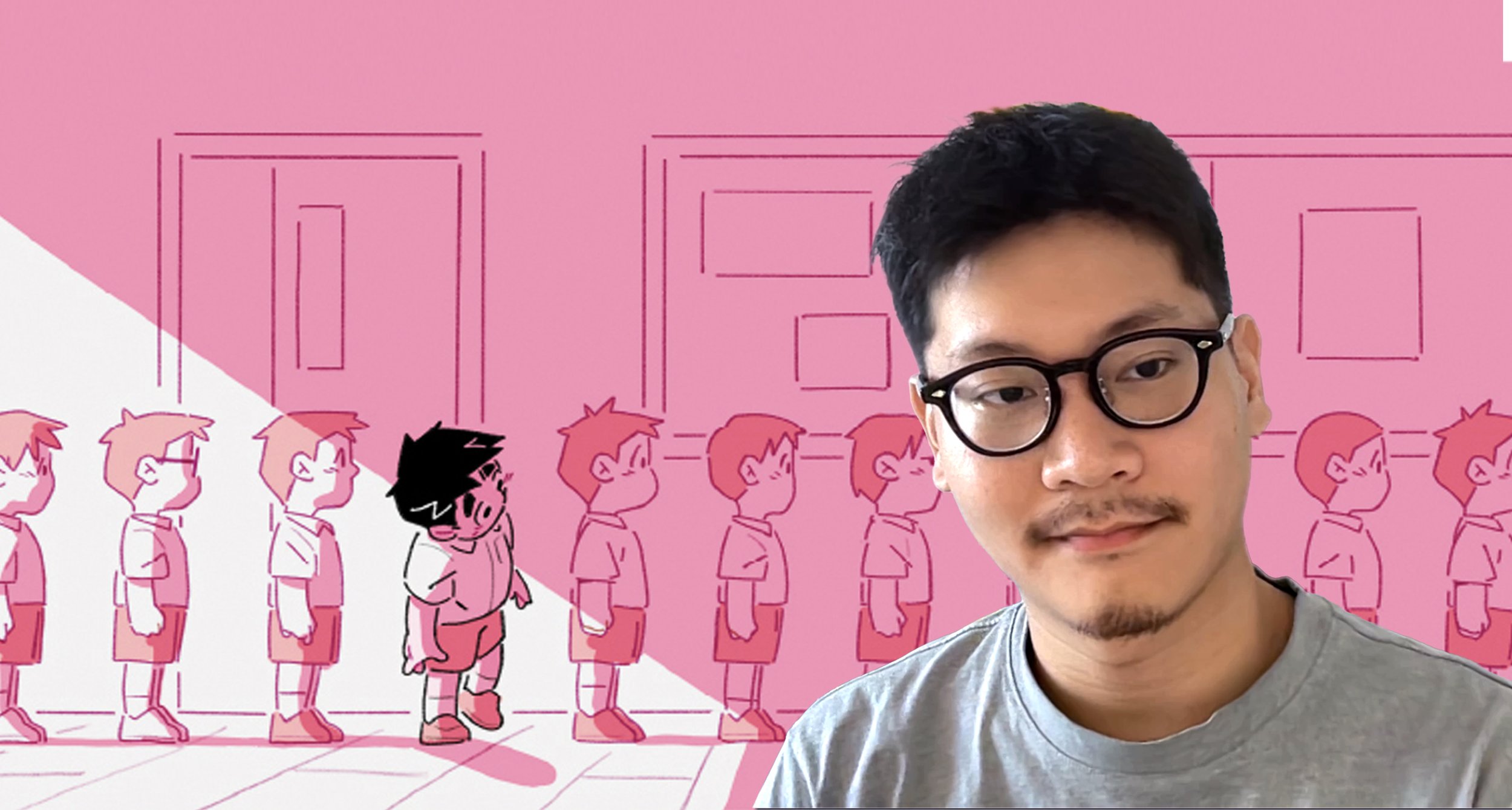
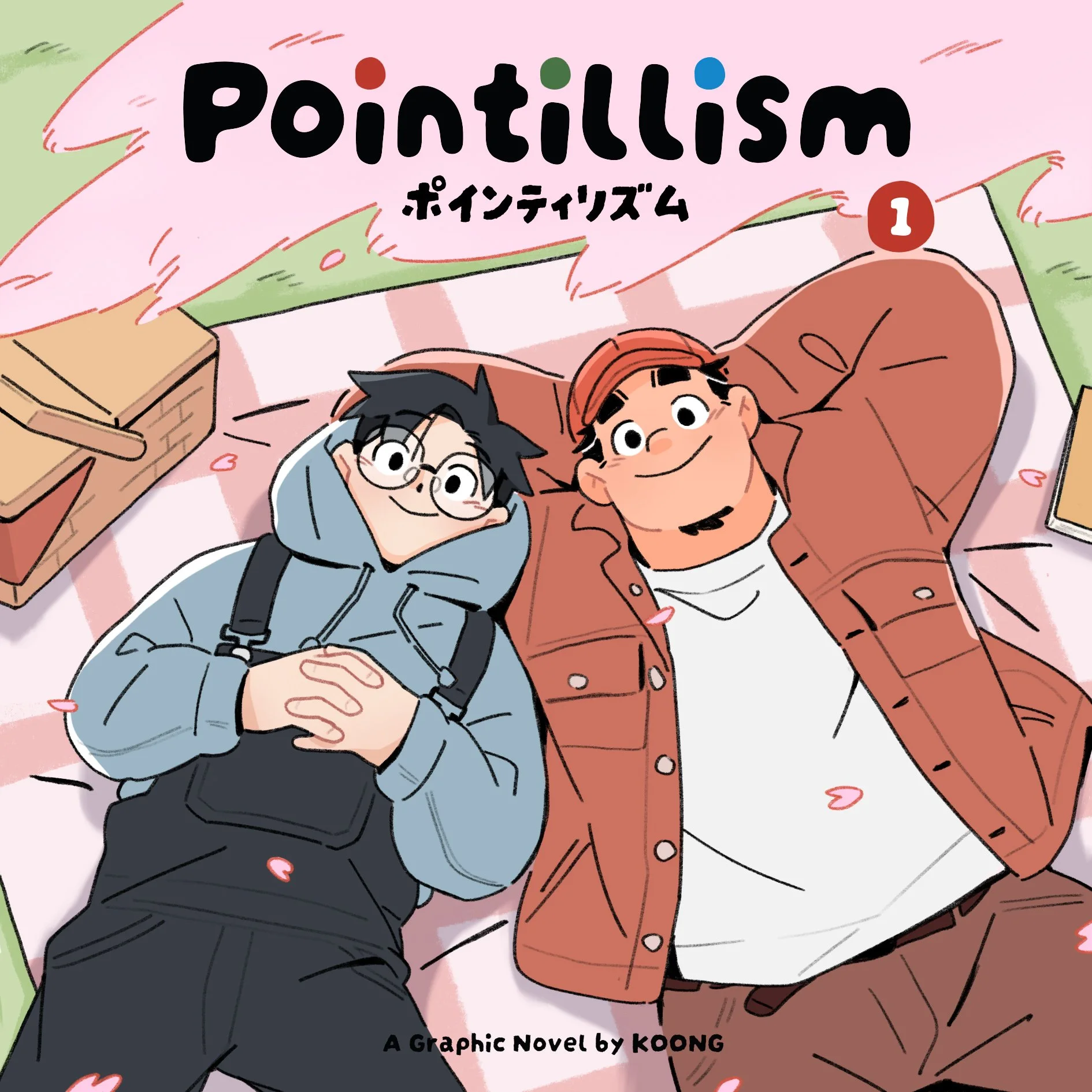
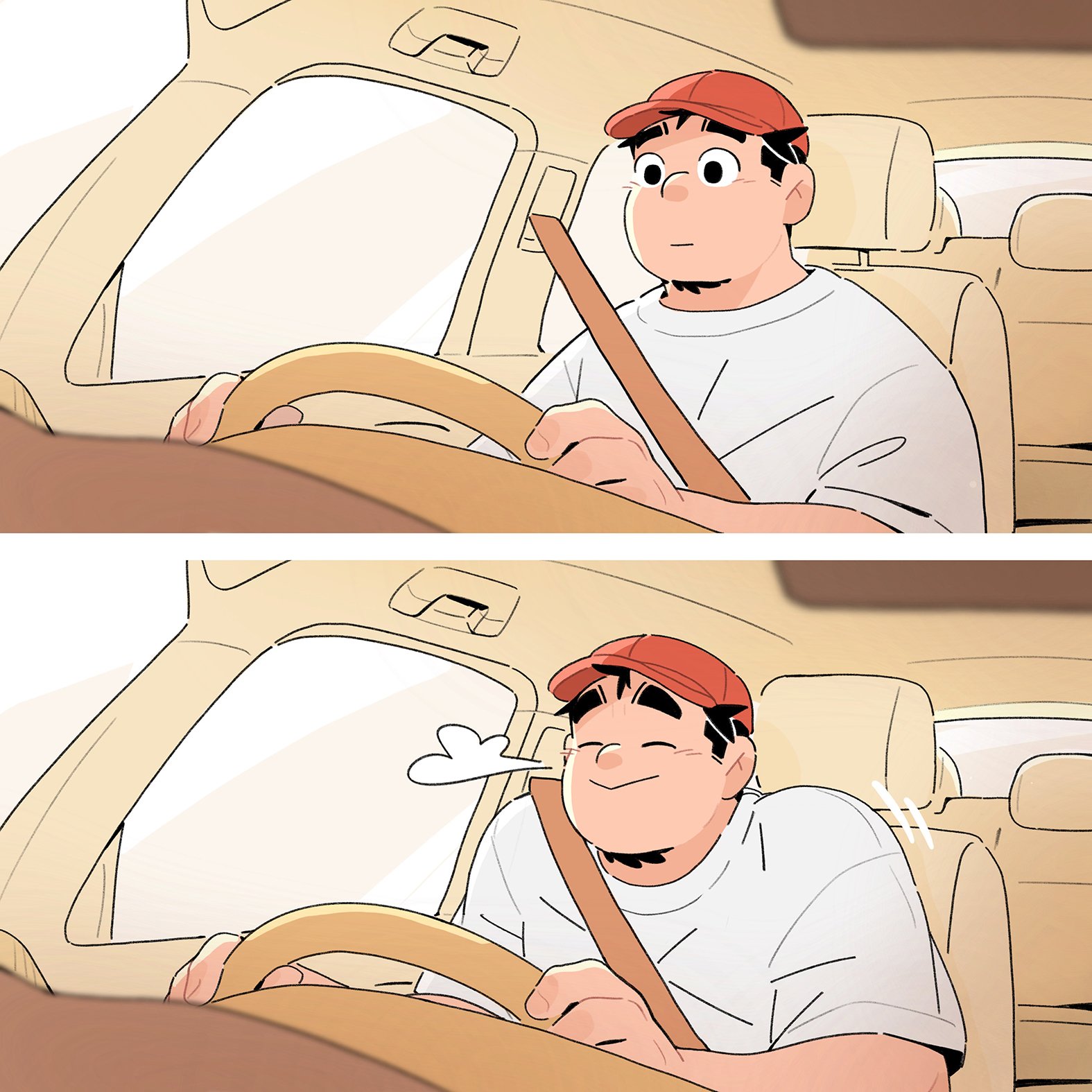
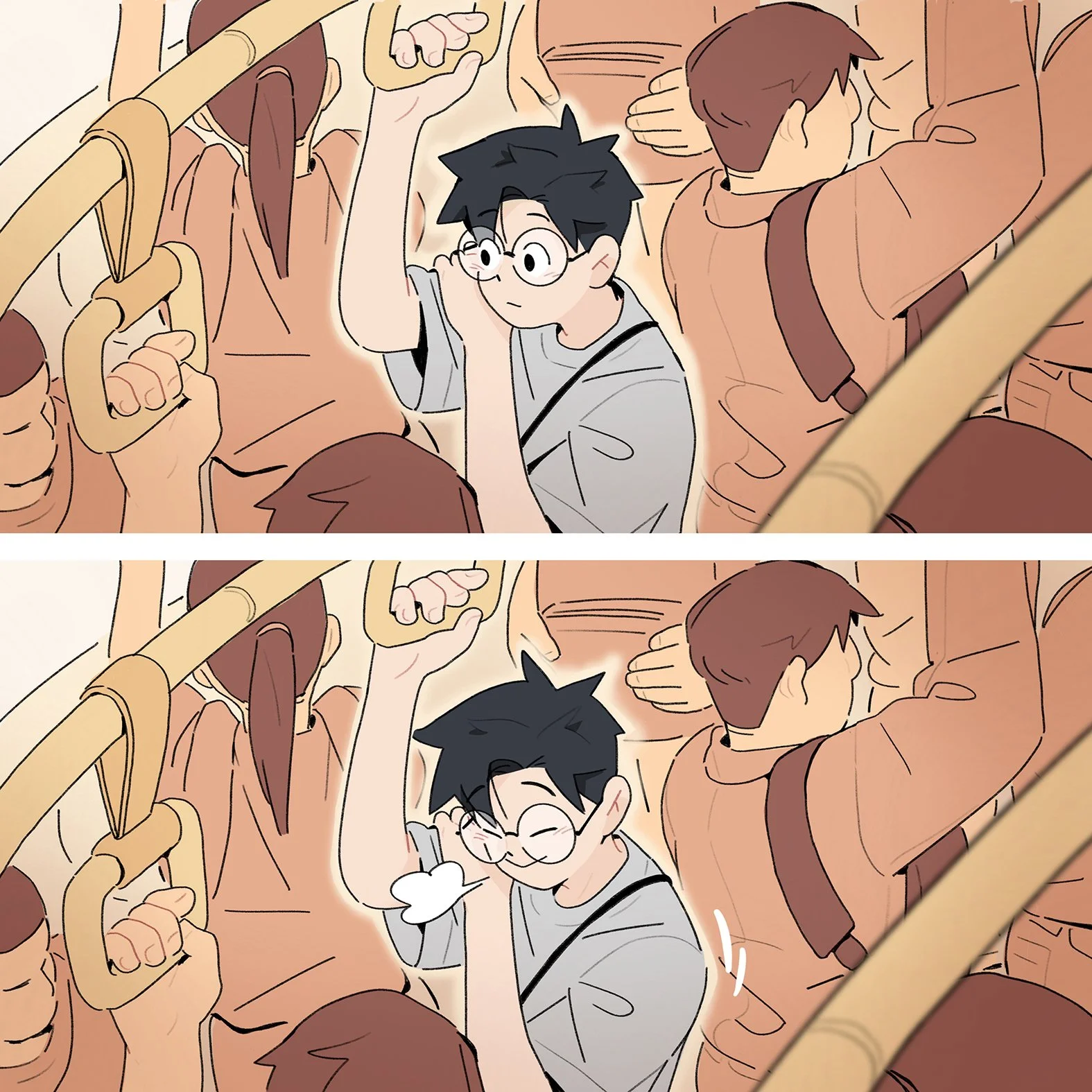
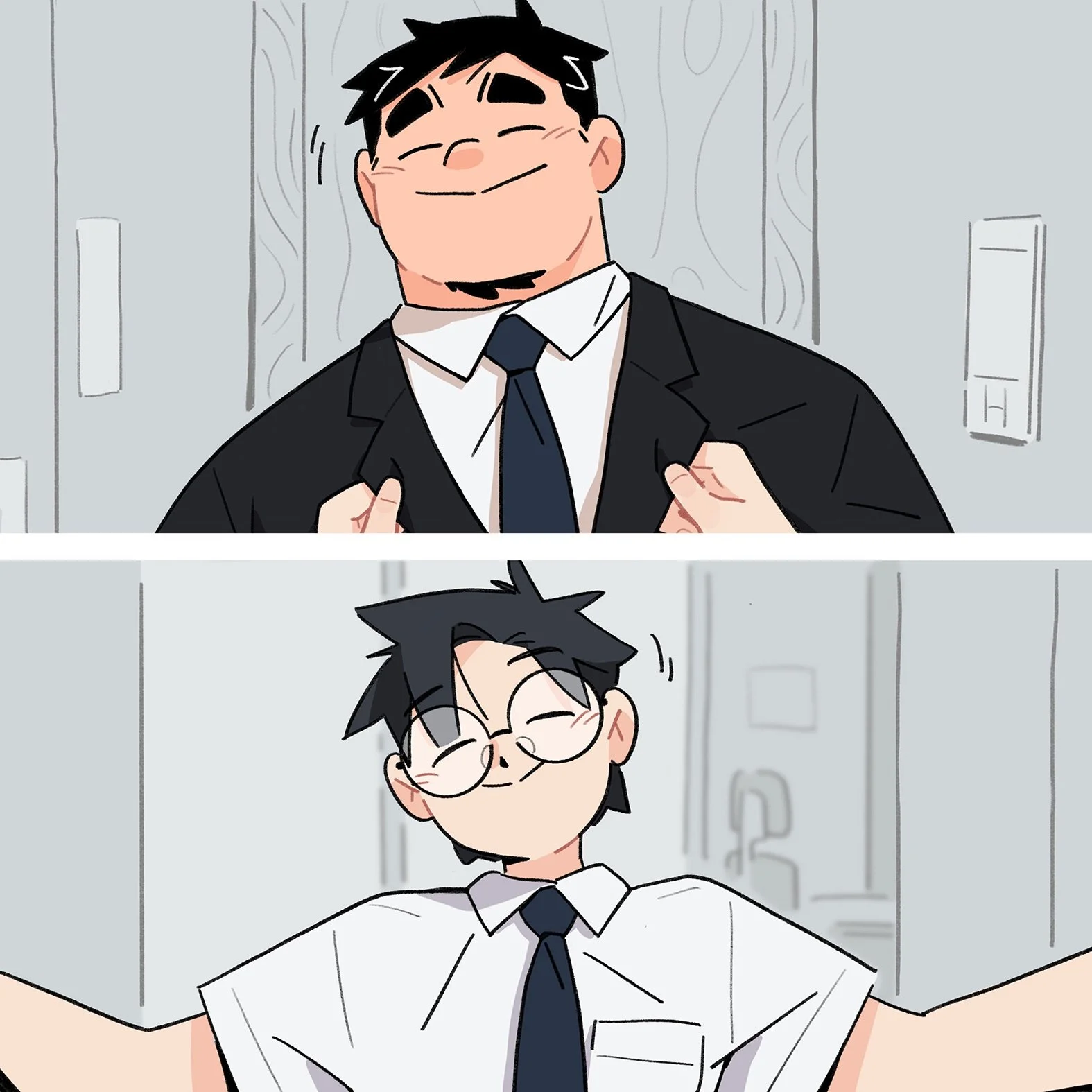
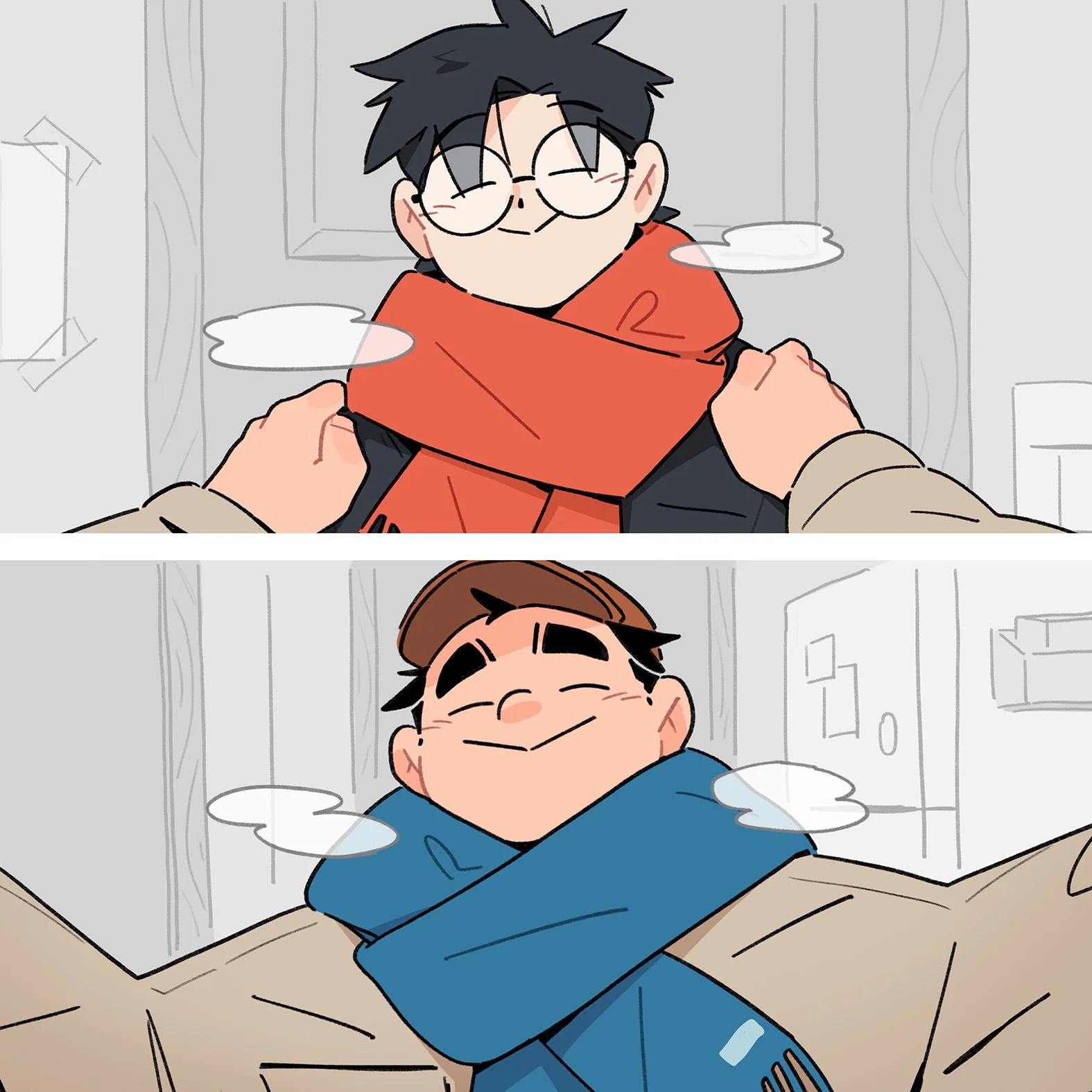
This month, we’re excited to showcase the beautiful work of featured artist Koong, whose work Pointillism follows the relationship of gay couple Dan and Kraam. Koong’s clean lines and insightful rendering of characters and life moments encapsulates the theme of “Common Ground,” and bkk UNZINE discusses with him his insights into his work, his process and life as a storyteller in the interview below. Also do not miss Koong’s video interview with Sketchman Boris as well as all the artists’ submissions to the August 2026 issue of bkk UNZINE!
Koong, we’ve been admirers of your work for a long time and are delighted to have you as this month’s featured artist. Let’s talk a little about your comic, Pointillism. How long ago did you begin crafting it and what made you decide to do a comic?
I started drawing Dan and Kraam about four years ago. At first, I mostly drew fan art of comics I loved. But after reading Heartstopper, the way I thought about drawing completely changed. I can honestly say that Heartstopper changed my perspective.
There’s something incredibly powerful about seeing yourself reflected in a character. That feeling stayed with me, and it made me want to create something where I could see a part of myself too. That’s how Pointillism began.
How much of the work would you say is autobiographical and how much is pulled from observations of relationships in general?
In the beginning, a lot of it came from my own experiences and personal wishes. But as I kept working on it, I eventually hit a wall, and that pushed me to look beyond myself.
I started paying more attention to the people and situations around me. I observed more, researched things I wasn’t sure about, and became curious about experiences outside my own. So over time, the comic became a mix of personal feelings and observations from the world around me.
Are you self taught or did you study art?
I’d say I’m mostly self-taught. I studied architecture at university, so there was some art involved, but when it comes to comics, I learned mainly through trial and error on my own.
Can you tell us about your process? Do you think in terms of story first, or is the narrative inspired by the visuals?
If you read my comics now, you can probably separate them into two main types.
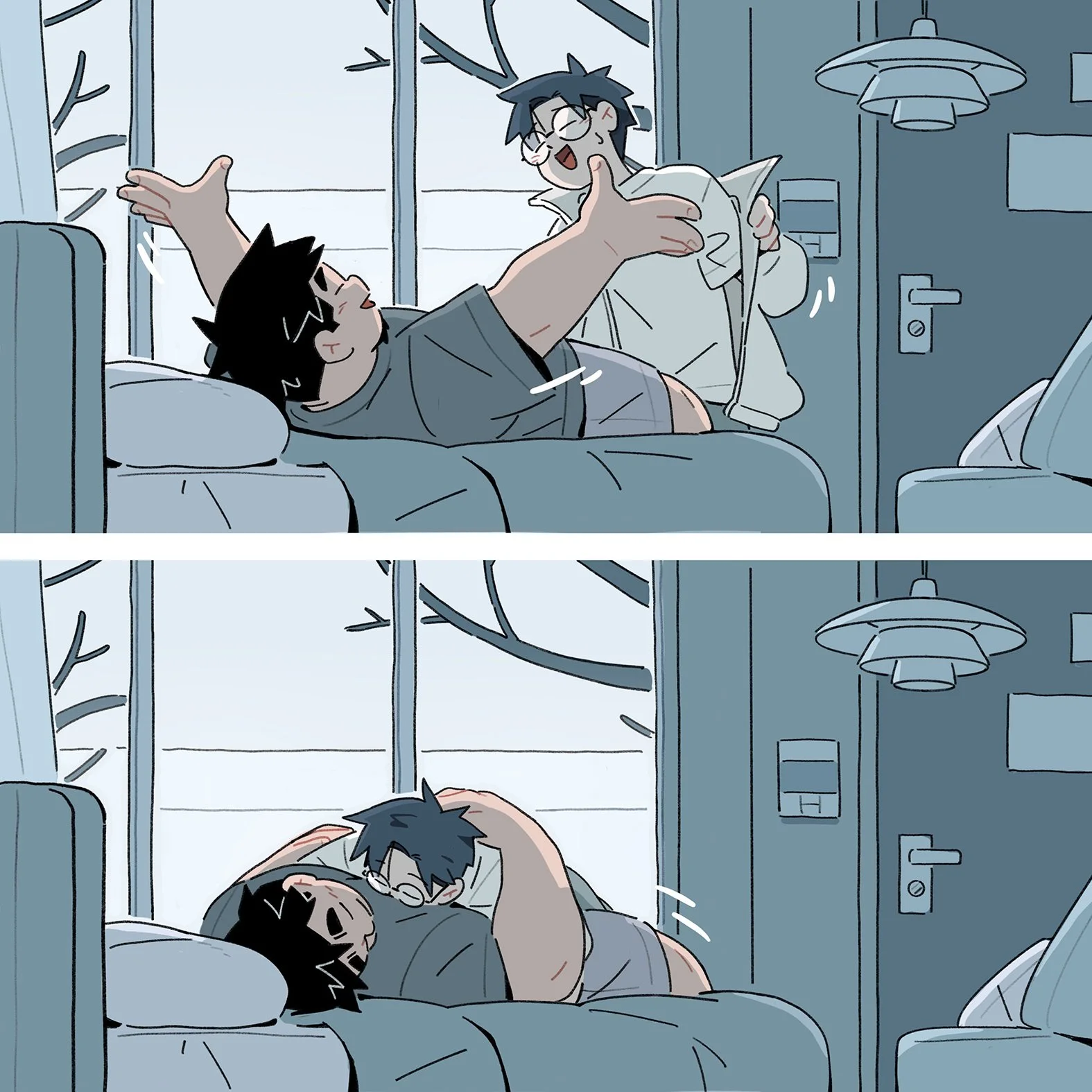
The first type focuses on small moments that happen in everyday relationships. These usually come from observation—either things I experience myself or things I notice in people around me. I look for moments that feel sweet or meaningful and that fit Dan and Kraam’s personalities.
The second type starts with a bigger theme that I want to explore, such as time, anxiety, or other emotional topics. For these stories, the theme comes first. Sometimes the idea comes from social media, sometimes from my own experiences. In general, I try to create stories about things I genuinely connect with and truly want to talk about.
Do you work mostly digitally, or do you lay things out by hand initially?
Almost everything I do is digital. I’ve tried working traditionally before, but I never really trained in that area, and digital tools fit my workflow much better, especially when it comes to time and efficiency.
Have you always wanted to be an artist? Growing up were there any other career paths you considered?
I never imagined that I would become an artist.
Even when I first started drawing these characters, I never thought they would bring me to where I am today. Since I studied architecture, I always assumed I would graduate and become an architect.
Sometimes I do feel a little nostalgic about that path, but I also think there are things I learned from architecture that still influence my work today. In a way, those experiences became part of the artist I am now.
“One of the things I love most about comics is the relationship between words and images. Every artist approaches that balance differently. Some create beautiful writing, while others use very few words and still manage to communicate something deeply moving.”
Your artwork has elegantly clean line work and skillful use of color to evoke mood and lighting. Do you have any artistic influences or people whose work catches your eye?
I think my work has changed quite a lot compared to when I first started. My line work has become much cleaner over time.
I think that comes from having a better understanding of where the viewer’s attention should go. I’ve learned which parts of an image deserve detail and which parts don’t need as much. If everything is detailed, the image can end up feeling heavy in the wrong places.
As for color, I really admire a Korean artist named Grim_b. They can create an entire illustration using a very limited color palette, or combine many different colors while still making the image feel cohesive. That’s something I’m still trying to learn and work toward myself.
You’ve also applied your work to many different types of product; do you prefer sequential storytelling in comics or conveying the narrative through single illustrations?
I think each way of storytelling has its own unique charm.
I do create standalone illustrations from time to time, and the thought process behind them is quite different from making comics. But at the moment, I still prefer storytelling through comics.
That said, I try to borrow ideas from illustration work as well. Sometimes I want an image to tell the story without relying on dialogue. Letting the visuals do all the work can be more challenging, but it’s also a lot of fun.
The Y genre has exploded in media, not the least of which in comics. How do you regard this popularity and what are your thoughts on how it’s been received by such large fandoms?
I don’t think I can speak for an entire generation, but from my perspective, people within the same generation often go through similar experiences and challenges.
Stories that reflect shared emotions naturally resonate with larger groups of people. I think that’s one reason these kinds of works have become more popular.
Many people from Generation Y are now adults who have spent some time navigating the real world. We understand life differently than we did as teenagers, but we still carry some of that youthful curiosity and desire to explore new things. Maybe that combination creates space for many different kinds of stories to emerge.
How would you compare the storytelling opportunities in comics, which is such a unique medium with its fusion of words and images, to other media such as animation? Do you have any desire to try dabbling in other media?
I think every medium has its own strengths and unique way of communicating.
One of the things I love most about comics is the relationship between words and images. Every artist approaches that balance differently. Some create beautiful writing, while others use very few words and still manage to communicate something deeply moving.
Because comics are static, readers can spend as much time with them as they want. You can stare at a page for minutes, revisit a scene years later, or reread a painful line of dialogue over and over again.
Animation feels very different to me. Since it’s constantly moving, emotions unfold in a continuous flow. The timing, pacing, sound, and visuals are all carefully designed to guide the audience’s experience. Having both movement and sound can make it feel closer to real life, and that’s a huge part of its appeal.
If I ever had the opportunity, I’d love to see my work adapted into other mediums. I think it would give the stories a completely different flavor.
On a related note, your work explores life through personal relationships. Are there any other genres you’d like to try doing?
Stories about relationships will probably always be the thing I love most.
But if you asked what kind of work I enjoy consuming the most, I’d probably say comedy. I’d really like to try creating something where comedy is the main focus.
Honestly, it seems incredibly difficult. Finding the right timing, the right visual delivery, and the balance between too little and too much is something that probably takes a lot of practice. But that challenge is exactly what makes it interesting to me.
Self-promotion is also a key factor in thriving as an independent artist. How do you feel about the art scene in Thailand, and do you have any experiences to share or advice to give to aspiring artists?
I think this is actually one of my weaknesses, and I believe many artists struggle with it too.
A lot of us don’t really like promoting ourselves. We want people to discover our work naturally and genuinely enjoy it on their own. I’m definitely one of those people.
At the same time, we live in an era where algorithms play a huge role in visibility. In some ways it’s easier than ever to share your work, but in other ways it can feel incredibly difficult.
One thing I really love about the art community, though, is how willing artists are to support one another. When we see work we genuinely admire, we naturally want to share it and tell more people about it.
And honestly, I think self-promotion works in a similar way. If you truly believe in the work you’re creating, sharing it with others shouldn’t feel that different from recommending an artist you love.
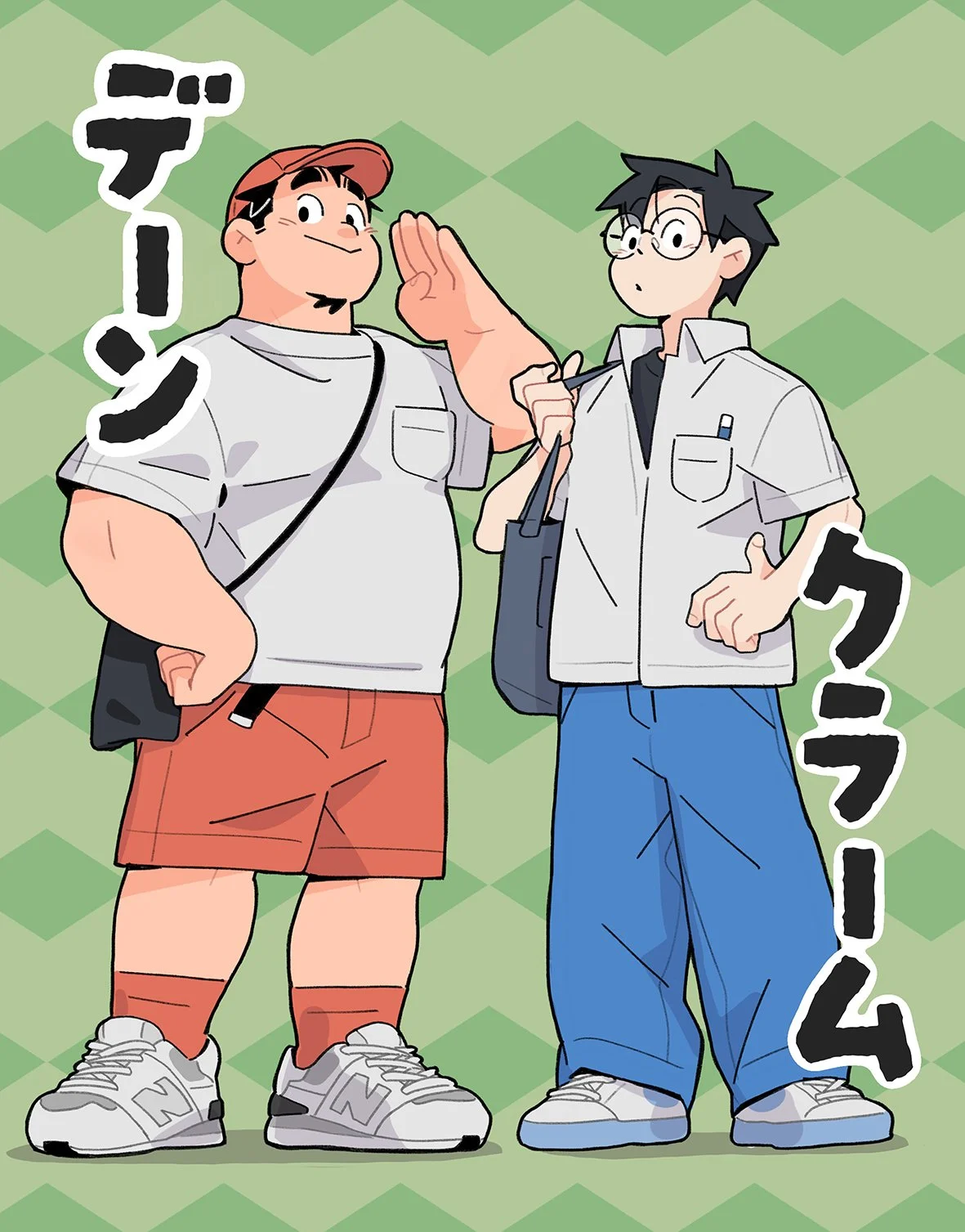
Special thanks to Koong for making this interview possible, and keep an eye out for future collaborations with our featured artists!
